
Dangers of Old Electrical Wiring and Rewiring Guide
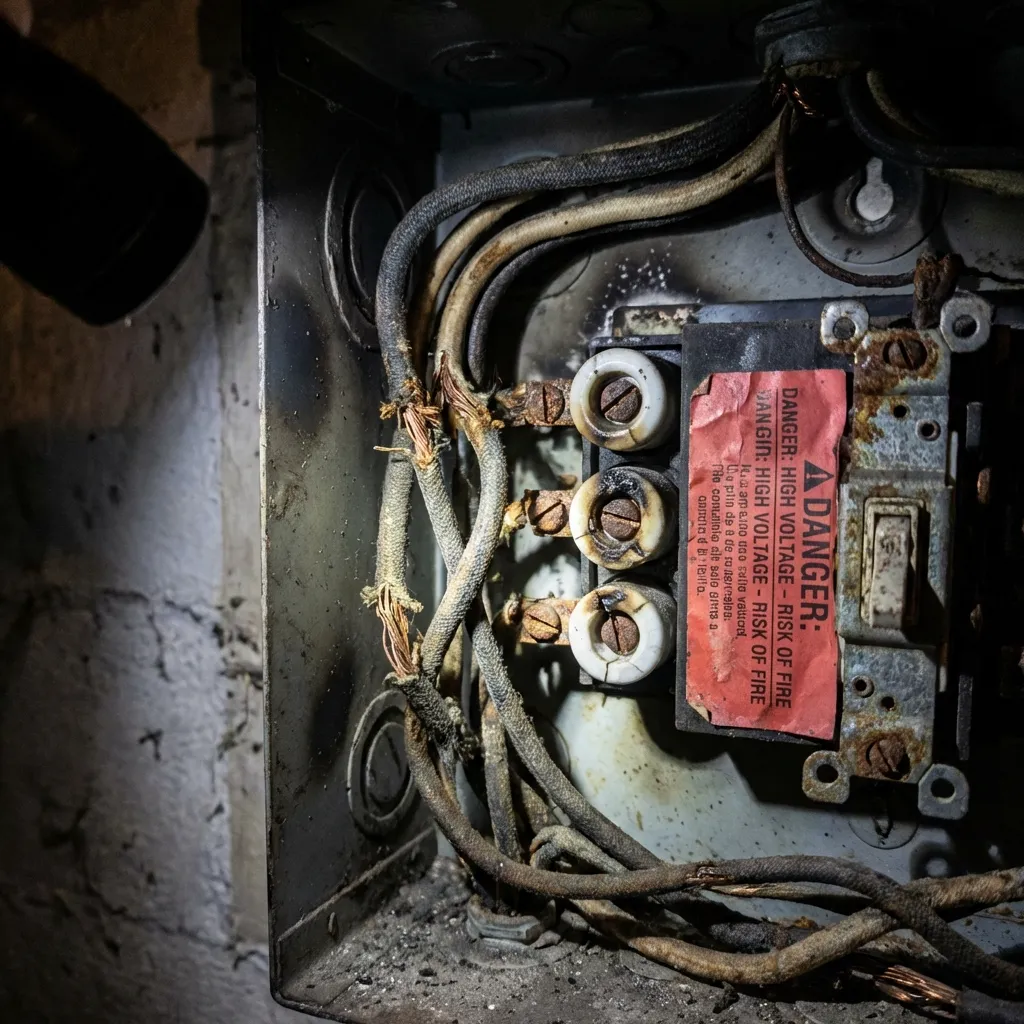
A significant proportion of house fires are caused by old and poorly maintained electrical wiring. Buildings older than 20 years typically have wiring that cannot meet today's electrical demands and fails to comply with current safety standards. In Antalya, this risk is particularly high in neighbourhoods with older construction. In this article, we will examine the dangers of old electrical wiring in detail, how to recognise when it is time for a rewire, and the advantages of modern electrical installations.
Why Is Old Electrical Wiring Dangerous?
Electrical wiring installed 20 to 30 years ago was designed for the needs of that era. Back then, homes had little more than a refrigerator, a television, and a few lights. Today, we use air conditioners, dishwashers, washer-dryers, computers, chargers, and countless other electrical devices. Old wiring simply does not have the capacity to handle this load.
1. Deterioration of Cable Insulation
The plastic materials used in cable insulation age over time, becoming brittle and cracked. This deterioration is accelerated in areas exposed to heat (near light bulbs, motor-driven appliance connections). Electricity can leak through cracked insulation, causing both leakage current and fire risk. In buildings constructed before the 1980s, you may even find fabric-coated cables, which are among the most dangerous in terms of fire risk.
2. Inadequate Cable Cross-Section
Older wiring systems typically used cables with a 1.5mm cross-section. This is only sufficient for lighting circuits. However, modern high-power appliances such as air conditioners, ovens, and washing machines require 2.5mm and even 4mm cross-sections. When undersized cables are overloaded, they overheat; the heat melts the insulation and can cause a fire.
3. The Danger of Aluminium Wiring
During the 1970s and 1980s, when copper cable prices were high, many buildings were wired with aluminium. Aluminium cables are dangerous for several reasons:
- They oxidise faster than copper, increasing resistance at connection points
- They expand more when heated and contract when cooled, causing connections to loosen over time
- Loose connections lead to arcing and fire
- They require a thicker cross-section than copper to carry the same current
If your home has aluminium wiring, rewiring should be a priority.
4. Lack of Grounding
Most wiring installed before the 1990s either lacks a grounding system or has an inadequate one. In installations without proper grounding:
- Leakage current accumulates on appliance casings, creating an electric shock risk
- RCDs (residual current devices) cannot function correctly
- Appliances are vulnerable to damage during lightning strikes
- Static electricity cannot dissipate safely
5. Overloaded Circuits
Older installations typically have the entire home connected to just 2 or 3 circuit breakers. All the sockets in one room may be on the same circuit. Today, best practice recommends a dedicated circuit for each high-power appliance (air conditioner, oven, washing machine). Overloaded circuits cause breaker tripping, cable overheating, and fire.
6. Loose and Oxidised Connections
Over the years, connections inside sockets, switches, and junction boxes loosen. Terminal screws lose their tightness. Contact points oxidise and resistance increases. Increased resistance leads to overheating, and overheating leads to fire. In old installations, every single connection needs to be inspected.
Signs That You Need Rewiring
If you are experiencing one or more of the following symptoms, your wiring needs to be inspected and probably replaced:
- Wiring is over 20 years old: Age alone is sufficient reason for concern
- Circuit breakers trip frequently: A sign of overloading or leakage current
- Warm sockets: A socket or plug that feels warmer than normal is a danger sign
- Visible sparking: Sparking when inserting or removing a plug is a serious issue
- Burning smell: A smell of burning plastic or rubber requires immediate attention
- Flickering lights: A sign of irregular voltage or loose connections
- Discoloured sockets: Darkening or melted marks on socket faces
- Two-pin sockets: Old-style sockets without an earth pin
- Insufficient sockets: Having to rely on multi-plug adapters (octopus connections)
- Wire used instead of fuses: A dangerous and illegal practice
Types of Old Wiring and Their Characteristics
Pre-1960s Installations
Fabric or rubber-insulated cables, porcelain fuses, no grounding. These installations must be replaced urgently.
1960s-1980s Era
PVC-insulated cables began to appear, but many still used aluminium conductors. Grounding was generally absent or inadequate. Simple panels with 2 to 3 circuit breakers.
1980s-2000s Era
Copper cables became more widespread, but cross-sections were still often undersized. Partial grounding was present. No RCD protection. Load capacity insufficient for modern demands.
Post-2000 Installations
Close to modern standards, but those over 20 years old should still be inspected. Grounding and RCD protection are present. Cable cross-sections are generally adequate.
Advantages of Modern Electrical Wiring
- High Safety: With RCDs, overcurrent protection, and a grounding system, both personal and property safety are ensured
- Correct Cable Sizes: Calculated cross-sections for each circuit prevent overheating
- Separate Circuits: A dedicated breaker for each high-power appliance means a fault in one does not affect the whole house
- Adequate Socket Count: No need for multi-plug adapters
- Smart Home Compatibility: Infrastructure for smart lighting, socket control, and automation
- Energy Efficiency: Losses are minimised, resulting in energy savings
- Automatic Circuit Breakers: Circuits restore automatically after a fault without needing manual reset
- USB Sockets: Integrated USB outlets for phone and tablet charging
The Rewiring Process
- Survey and Assessment: The existing wiring is examined and requirements are identified
- Project Planning: Socket locations, lighting points, and circuit diagrams are drawn up
- Cable Installation: Old cables are removed or decommissioned and new cables are pulled through
- Panel Installation: A modern consumer unit is fitted
- Socket and Switch Fitting: New sockets and switches are installed
- Grounding System: Earth rods and connections are installed
- Testing and Commissioning: All circuits are tested; leakage and grounding are measured
Warning
Electrical wiring work must always be carried out by qualified and certified electricians. Installations done by unqualified individuals not only pose a risk to life but may also invalidate insurance claims.
Rewiring Service
Book a survey appointment for professional rewiring service in Antalya. Free condition assessment.
0507 415 29 92
