
Electrical Leakage Detection: Symptoms, Causes and Solutions
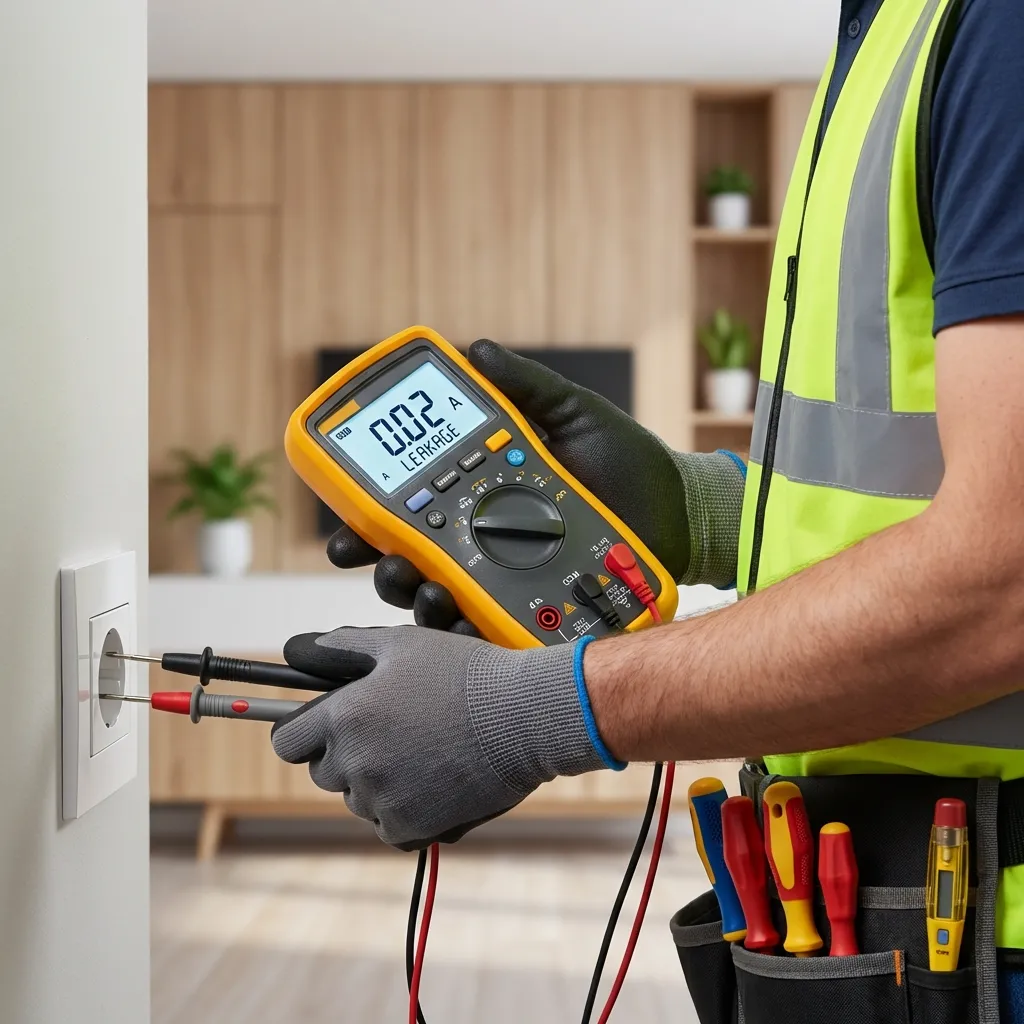
Electrical leakage is one of the most common and dangerous electrical problems encountered in homes and workplaces. When left undetected, it poses a serious risk to personal safety and can even cause fires. In Antalya, electrical leakage cases are frequently seen, especially due to humid climate conditions and wiring problems in older buildings. In this guide, we will cover in detail what electrical leakage is, how to detect it, and the available solutions.
What Is Electrical Leakage?
Electrical leakage occurs when electrical current strays from its normal conductive path (cable) and flows to unintended locations. Under normal conditions, electrical current leaves the live wire, passes through the appliance, and returns via the neutral wire. In the case of leakage, some of the current finds an alternative path through the ground, metal casings, water pipes, or the human body.
Leakage current creates two fundamental hazards:
- Electric shock: Current above 30mA can be fatal. The human body has a resistance of 1,000-2,000 ohms, and leakage current can overcome this resistance and damage vital organs.
- Fire risk: The heat generated at the leakage point can cause a fire, especially near flammable materials.
Symptoms of Electrical Leakage
If you notice one or more of the following symptoms, you should consider the possibility of electrical leakage:
1. RCD (Residual Current Device) Keeps Tripping
The RCD automatically cuts off the electricity when it detects leakage current above 30mA. If the RCD keeps tripping, there is definitely a leakage. Sometimes, if it trips when you plug in a specific appliance, the leakage is in that appliance.
2. Tingling Sensation When Touching Appliances
If you feel a slight tingling or electric shock when touching metal-bodied appliances such as refrigerators, washing machines, or dishwashers, there is leakage current in the appliance. This sensation is more pronounced when your hands are wet or when you are in contact with a damp floor.
3. Abnormal Increase in Electricity Bill
If your bill has increased significantly despite no change in your consumption habits, there may be energy loss due to leakage current. When leakage current flows to the ground, the meter continues to run.
4. Overheating or Burning Smell from Outlets
Excessive heating, darkening, or a burning plastic smell from outlets or switches is a sign of leakage current. This situation requires immediate attention because the fire risk is high.
5. Moisture or Heating on Walls
If there is leakage in cables running through the wall, moisture accumulation or abnormal heating may be observed on the wall surface. Pay particular attention to these symptoms around outlets and switches.
6. Flickering Lights
Occasional flickering or dimming and brightening of lights may indicate contact problems or leakage current within the wiring system.
7. Current Sensation on Non-Electrical Metal Parts
If you feel current on metal parts that should normally be non-electrical, such as water taps, bathtubs, or balcony railings, there is a serious problem with the grounding system or the wiring.
Causes of Electrical Leakage
1. Cable Insulation Deterioration
Cable insulation ages, hardens, and cracks over time. Excessive heat, sunlight, chemicals, and mechanical wear damage the insulation. Current leaks through the deteriorated insulation. Antalya's hot climate accelerates insulation deterioration, especially in attic and exterior facade cables.
2. Humid Environments
In humid areas such as bathrooms, kitchens, basements, and laundry rooms, moisture seeps into outlet interiors and cable connections. Moisture conducts electricity and creates leakage. The salty humidity in Antalya's coastal areas further increases this effect.
3. Faulty Electrical Appliances
Motor windings, heating elements, or internal wiring of white goods deteriorate over time. The risk of leakage is especially high in appliances that come into contact with water (washing machines, dishwashers, water heaters). Old and poorly maintained appliances are the most common source of leakage current.
4. Missing or Faulty Grounding
In installations without a grounding system or where it does not function properly, leakage current cannot be safely conducted to the ground. In this case, current accumulates on appliance casings or in the wiring and passes to anyone who touches them.
5. Loose or Faulty Connections
Loose connections inside outlets, switches, or junction boxes cause overheating and arcing. This can lead to both leakage current and fire.
6. Rodent Damage
Mice and rats can gnaw through cable insulation, exposing the conductors. Exposed conductors can come into contact with each other, causing short circuits and leakage current.
7. Improper Wiring Practices
Wiring work done by unqualified individuals, incorrect cable size selection, faulty connections, and the use of non-standard materials increase the risk of leakage current.
How to Detect Electrical Leakage
1. Simple Elimination Method (You Can Do This Yourself)
When the RCD trips, follow these steps to find which circuit has the leakage:
- Unplug all appliances
- Reset (turn on) the RCD
- Plug in appliances one by one
- The appliance that causes the RCD to trip is the one with the leakage
2. Professional Detection Methods
- Visual Inspection: Cables, outlets, and switches are checked for physical damage, discolouration, and signs of melting.
- Megger (Insulation) Test: Cable insulation resistance is measured with a specialised device. It should be a minimum of 1 megaohm. Low values indicate insulation deterioration.
- Clamp Ammeter Leakage Measurement: The live and neutral cables are clamped together. The reading, which should be zero, shows the amount of leakage current.
- Thermal Camera: Overheating points are detected. Areas with leakage appear warmer than normal.
- Earth Resistance Measurement: The proper functioning of the grounding system is verified.
Solutions for Electrical Leakage
- Repair or Replace the Faulty Appliance: Once the leaking appliance is identified, it should be taken to an authorised service centre or replaced.
- Replace Damaged Cables: Cables with deteriorated, crushed, or gnawed insulation must be replaced.
- Install or Repair the Grounding System: If grounding is not present, it should be installed. If it exists, its resistance should be checked and improved if necessary.
- Install an RCD (Residual Current Device): Every home should have an RCD with 30mA sensitivity. This device detects leakage current within milliseconds and cuts off the electricity.
- IP-Rated Materials for Wet Areas: Outlets and lighting fixtures with IP44 or higher protection rating should be used in bathrooms and outdoor areas.
- Regular Maintenance and Inspection: An annual professional electrical inspection is recommended.
Emergency Warning
When you detect symptoms of electrical leakage, immediately turn off the main switch. Do not touch the leaking appliance with wet hands. If a cable or outlet is on fire, do not use water -- use a fire extinguisher or cut the electricity and call the fire brigade. Do not turn the electricity back on until professional help arrives.
Leakage Current Detection and Repair
Get professional detection and repair service for your electrical leakage problem in Antalya. 24/7 emergency response.
0507 415 29 92
