
Why Do Light Bulbs Explode? Causes and Prevention Methods
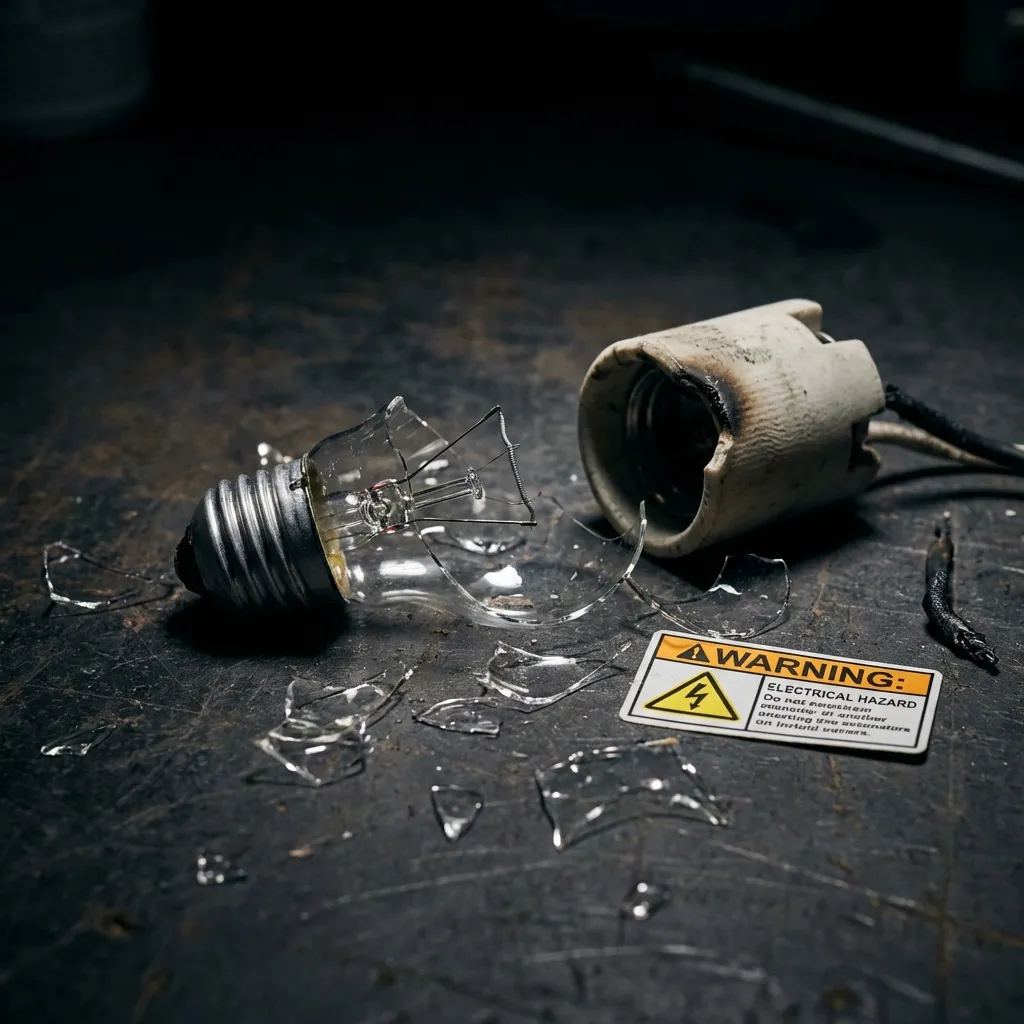
A light bulb explosion is both dangerous and frustrating. An exploding bulb can cause injuries from glass shards and also carries a risk of electric shock. In Antalya, light bulb explosions are more common in buildings with old wiring and in areas that experience voltage fluctuations. In this article, we will explain in detail the causes of light bulb explosions, prevention methods, and what to do after a bulb explodes.
Main Causes of Light Bulb Explosions
Light bulb explosions are usually not caused by a single factor; the risk increases when multiple factors come together. Here are the most common causes:
1. Voltage Fluctuations and Power Surges
Normal mains voltage is around 220V. However, voltage can experience sudden spikes due to power returning after an outage, transformer failures, or grid issues. These voltage surges heat the incandescent bulb's filament far beyond its normal operating temperature. The tungsten filament expands suddenly and breaks, causing the bulb to explode. In some areas of Antalya, particularly near industrial zones, voltage fluctuations occur more frequently.
2. Low-Quality and Cheap Bulbs
Bulbs sold at very low prices on the market have poor production quality. The glass used in these bulbs is thinner and less heat-resistant. The filament quality is low, making them sensitive to voltage changes. Additionally, when the adhesive material between the glass and the metal base is of poor quality, it weakens with heat, potentially causing the bulb to fall or explode. Unbranded bulbs not only have shorter lifespans but also carry a higher risk of explosion.
3. Overheating and Poor Ventilation
Incandescent bulbs convert most of their energy into heat (approximately 90% heat, 10% light). Heat builds up in enclosed fixtures, recessed spotlights, or wall lights with insufficient ventilation. When the bulb's internal temperature rises excessively, the glass expands and shatters. During summer months, the higher ambient temperature further increases this risk.
4. Moisture and Water Contact
The glass surface temperature of a lit bulb can reach 200-300 degrees Celsius. When a water droplet touches a bulb at this temperature, the sudden temperature difference (thermal shock) causes the glass to crack and explode. This situation is especially common in bathroom, kitchen, and outdoor lighting. Keep in mind that moisture can also cause the bulb socket to corrode, leading to contact problems.
5. Vibration and Mechanical Stress
The filament of an incandescent bulb is constantly subjected to vibration in locations near doors, elevators, or buildings exposed to heavy traffic. Vibration causes the filament to fatigue and break. A broken filament can short-circuit and cause an explosion. Using LED bulbs in areas subject to vibration eliminates this problem entirely.
6. Wrong Wattage
Every light fixture has a maximum wattage rating it can handle. Installing a bulb that exceeds this rating causes the fixture to overheat and the bulb to explode. For example, installing a 100W bulb in a lamp shade rated for a maximum of 40W creates a fire hazard.
7. Loose Connections and Contact Problems
When a bulb does not sit properly in the socket or when the contact springs inside the socket are damaged, the flow of electricity becomes intermittent. This causes arcing (sparking) and sudden heating, which can lead to an explosion. This problem is frequently seen in old and corroded sockets.
How to Prevent Light Bulb Explosions
By taking the right precautions, you can minimize the risk of light bulb explosions:
- Use a Voltage Protection Relay: A voltage protection relay installed on the electrical panel cuts off electricity when the voltage goes outside a set range. This prevents power surges from reaching your bulbs.
- Choose Quality Brand Bulbs: Bulbs from trusted brands such as Philips, Osram, and GE are manufactured from higher-quality materials and are tested to meet standards.
- Switch to LED Bulbs: LED bulbs generate much less heat than incandescent bulbs and have no risk of explosion since they contain no filament. They also save energy and last much longer.
- Do Not Exceed the Correct Wattage: Check the maximum wattage written on the fixture and do not exceed this value.
- Ensure Proper Ventilation: Do not block the ventilation holes in enclosed fixtures. Avoid using covers or fabrics that can cause heat buildup.
- Use IP-Rated Fixtures for Wet Areas: Use fixtures with an IP44 or higher protection rating for bathrooms and outdoor areas.
- Use LED in Vibration-Prone Areas: Always use LED bulbs in areas subject to vibration, such as near doors, hallways, and elevator areas.
- Inspect Your Sockets: Replace rusty, loose, or damaged sockets. Screw bulbs in firmly but do not over-tighten.
What to Do When a Bulb Explodes
Follow these steps for your safety when a light bulb explodes:
- Turn Off the Electricity: Switch off the relevant circuit breaker or turn off the main switch. Handling bulb fragments remaining in the socket while the power is on carries a risk of electric shock.
- Clear the Room: Keep children and pets away from glass fragments.
- Collect the Glass Pieces: Pick up large pieces with thick gloves. For small pieces, use a damp paper towel or adhesive tape. A broom can scatter glass dust into the air.
- Remove the Base Remaining in the Socket: With the electricity off, use pliers to slowly twist and remove the bulb base. The potato method: You can press half a potato into the base and twist it out.
- Inspect the Socket: If there are burn marks, melting, or damage inside the socket, replace the socket.
- Install a New Bulb: Preferably install an LED bulb. Before installing, make sure the socket is clean and dry.
Incandescent vs. LED Bulb Comparison
There are significant differences between bulb types in terms of explosion risk:
- Incandescent Bulb: High explosion risk, short lifespan (1,000 hours), high energy consumption, generates a lot of heat.
- Halogen Bulb: Medium risk, more efficient than incandescent bulbs but still generates significant heat.
- LED Bulb: No explosion risk, long lifespan (25,000+ hours), low energy consumption, minimal heat generation.
Safety Warnings
- Always turn off the electricity before changing a bulb
- Do not touch a recently turned-off bulb as it is very hot
- Glass from an exploded bulb is very sharp; do not touch with bare hands
- Fluorescent (energy-saving) bulbs contain mercury when broken; ventilate the room
Professional Support for Lighting Problems
If you are experiencing frequent bulb explosions, there may be a voltage problem or wiring issue. Get a professional inspection.
0507 415 29 92
